Enshi Yulu
Introduction
Enshi Yulu, also known as Jade Dew Tea, is a renowned type of green tea originating from Enshi city in Hubei province, Central China. This exquisite tea is notable for its slender, needle-like leaves and its rich, dark green hue. Its origins trace back to the Tang Dynasty (618-907), and it flourished during the Qing Dynasty (1644-1911). Enshi Yulu holds a distinctive place among Chinese green teas due to its unique steaming process, which effectively halts oxidation and preserves the leaf's vibrant green color and delicate flavor profile. The steaming method not only enhances the tea's visual appeal but also ensures the preservation of its exquisite taste.
In recent years, Enshi Yulu has gained recognition both domestically and internationally. In 2014, it was listed as a national intangible cultural heritage. The local government has taken proactive measures to cultivate inheritors of the traditional techniques used in making Enshi Yulu, ensuring the preservation and transmission of this cherished tea culture. The tea's rich history and cultural significance were further acknowledged in 2022 when the traditional tea processing techniques of China, including those used for Enshi Yulu, were inscribed on UNESCO's Representative List of the Intangible Cultural Heritage of Humanity.
Production Process
Cultivation
The cultivation of Enshi Yulu begins with selecting the optimal environment in Enshi city, known for its favorable climate and terrain suitable for tea cultivation. The region's climate and soil conditions contribute significantly to the tea's unique characteristics. Cultivation practices involve careful management of the tea gardens to ensure healthy growth and the maintenance of the plant's essential qualities.
Harvesting
Harvesting typically occurs during the spring, when the tea leaves are at their peak of freshness and flavor. The process involves meticulously hand-picking the young, tender leaves to ensure the highest quality. This careful selection is crucial as it directly influences the tea's final flavor and aroma. The timing of the harvest is also significant, as it plays a role in the preservation of the tea's vibrant green color and nutritional content, including its selenium levels.
Processing Techniques
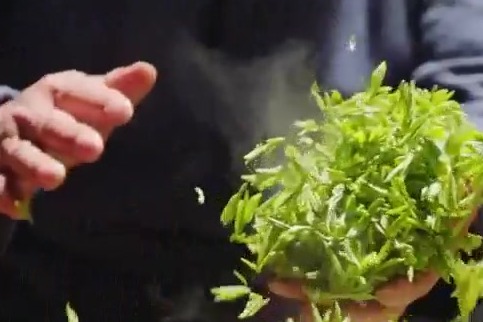
The processing of Enshi Yulu is distinctive due to its use of steaming, a method that dates back to its origins. This technique is a key differentiator in the production of Enshi Yulu, setting it apart from other types of Chinese green tea which typically use pan-frying methods. The steaming process helps in deactivating the enzymes in the tea leaves, preventing oxidation and preserving the tea's natural color and delicate flavor. After steaming, the leaves are carefully shaped into their characteristic slender, needle-like form, completing the process and preparing them for consumption.
Characteristics
Aroma
Enshi Yulu is renowned for its fresh and invigorating aroma, a result of its unique steaming process that preserves the natural scents of the tea leaves. The aroma is light yet captivating, offering a sensory experience that enhances the enjoyment of the tea.
Flavor
The flavor of Enshi Yulu is delicate and nuanced, characterized by a refreshing and slightly sweet taste. Its flavor profile is a direct result of the careful cultivation, harvesting, and processing techniques that ensure the preservation of the tea's natural qualities. Whether brewed hot or cold, Enshi Yulu offers a distinct and delightful taste experience.
Appearance
Visually, Enshi Yulu is distinguished by its slender, needle-like leaves that possess a rich, dark green hue. This striking appearance is not only pleasing to the eye but also indicative of the tea's high quality and the meticulous care involved in its production.
Brewing and Preservation
To fully appreciate Enshi Yulu, it is recommended to steep it in a glass cup, allowing the transparency to showcase the beautiful green color and delicate aroma. The tea can be brewed with both hot and cold water, each method eliciting different taste experiences. Hot water brewing draws out a robust and refreshing flavor, while cold brewing offers a more subtle and nuanced taste. Proper preservation of Enshi Yulu involves storing it in a cool, dry place, away from light and air, to maintain its freshness and quality over time.
Cultural Significance
Enshi Yulu holds a significant place in Chinese tea culture, celebrated for its historical roots and traditional production methods. Its inclusion in the national intangible cultural heritage list in 2014 and subsequent recognition by UNESCO highlight its cultural importance and the need to preserve its traditional practices. The tea is not just a beverage but a representation of the rich cultural heritage and craftsmanship of the Enshi region.








